
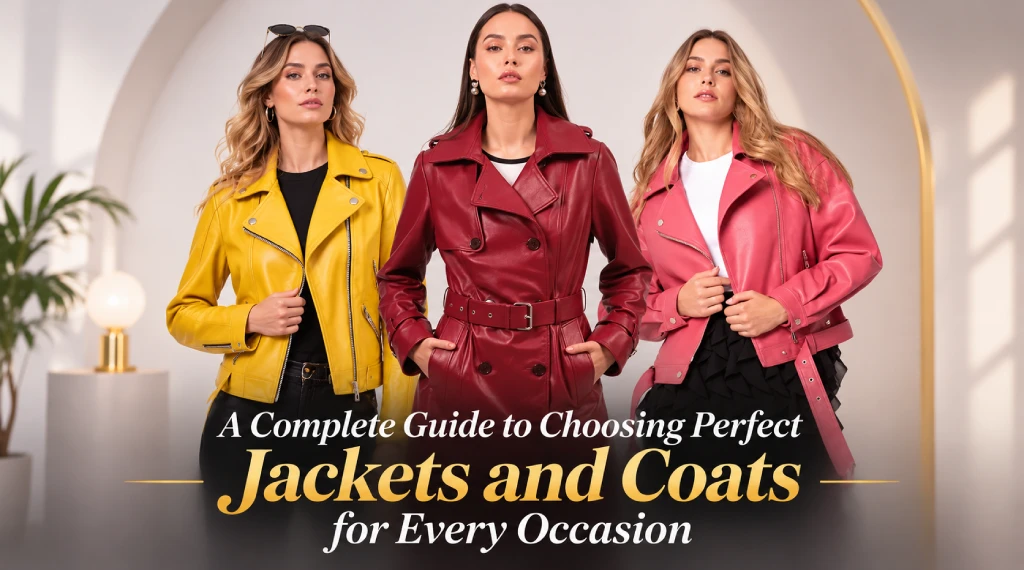
Outerwear is the first thing people see and the last thing you take off, so it matters more than most clothes in your closet. A good jacket keeps you comfortable, suits the place you are going and makes the clothes underneath look better. A bad one does the opposite, no matter how much it costs. This guide on Perfect Jackets and Coats explains how to match styles to your weather, your plans and your body. You will also find simple notes on fabric, fit, color and care, so your next purchase is one you wear often.
How to Choose Perfect Jackets and Coats for Different Needs
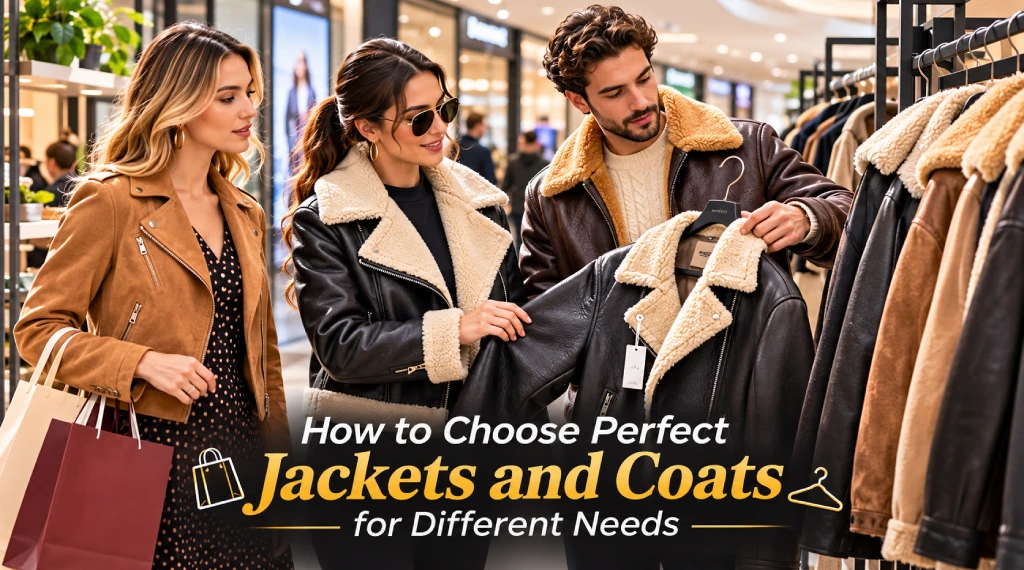
Start with your week, not the shop window. Write down where you go most: work, college, the gym, family visits, evenings out. The jacket you buy should cover at least two of those places.
Then check these four things:
- Comfort: You should be able to lift your arms, sit and drive without the jacket pulling.
- Durability: Look at seams, zippers and lining, because these fail first.
- Versatility: One piece that works with five outfits beats three pieces that work with one.
- Personal taste: If you do not like how it looks in the mirror, you will not wear it.
Trends are fine, but treat them as a bonus. A jacket that suits your life will look good for years.
Which Jacket Styles Work Best for Different Occasions?
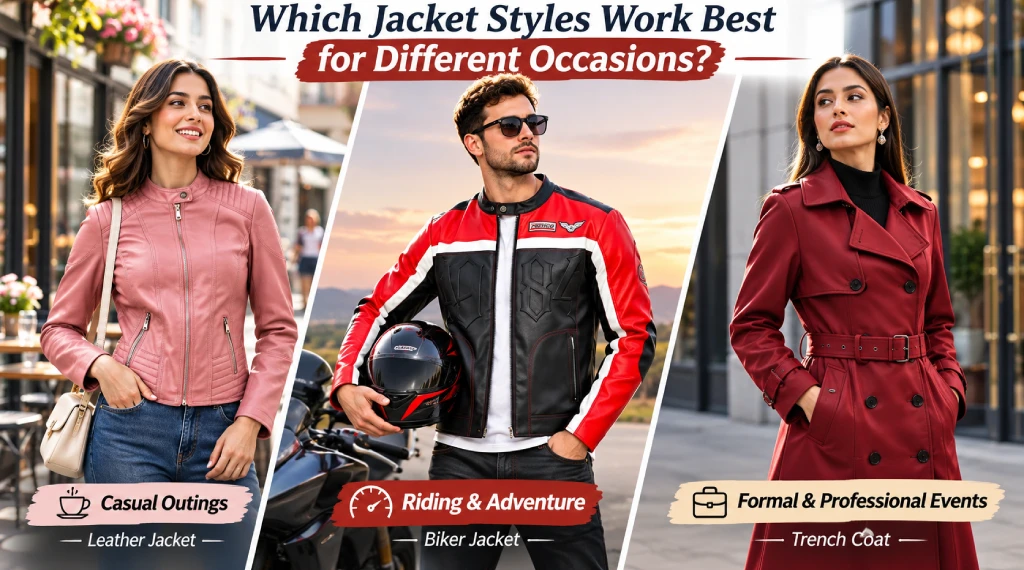
Each style has a place where it works best. Here is a quick way to sort them.
Casual Outings
For errands, coffee and weekend walks, pick something soft and easy. Bomber jackets, track tops and denim-friendly leather pieces all work. They go over a tee or hoodie without any effort.
Formal Gatherings
Weddings, dinners and events call for clean lines. A long black coat or a tailored trench sits well over a shirt and trousers, and it keeps you warm in the car park.
Outdoor Activities
Choose a jacket that moves with you. Look for roomy sleeves, good pockets and fabric that blocks wind. Stiff, tight styles get annoying fast on long walks.
Social Events
Parties are a good time for a bolder piece, like a biker jacket or a brown varsity style. Keep the rest of the outfit simple so the jacket stands out.
Professional Settings
For the office, stick to dark, structured outerwear that matches your work clothes. A neat coat shows care without saying a word.
Explore Different Jacket Styles for Every Wardrobe
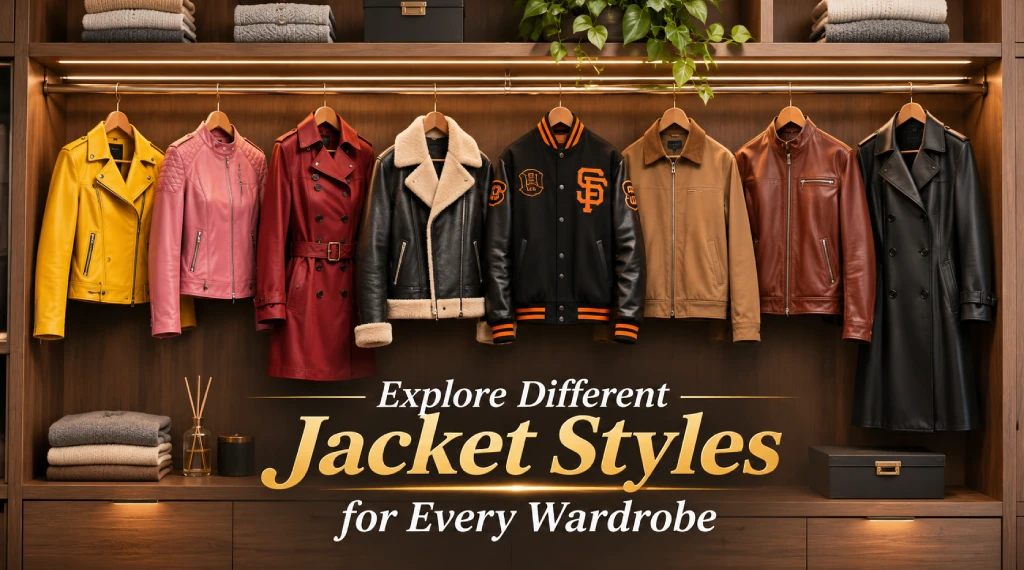
Here are seven jacket styles that cover almost every need, with simple ways to wear each one.
Leather Jackets That Work All Year
The Best Leather Jacket For Men and Women is one that fits well across the shoulders, feels soft and goes with what you already own. Black and brown are the easiest colors. Men can wear leather over a plain tee and dark jeans, and women can pair a cropped cut with high-waisted trousers or a dress and boots. Wear a thin sweater underneath when the weather turns cold.
Trench Jackets for a Sharp, Neat Look
If you want to buy a Luxury Trench Coat For Sale, check the cut first. A good trench has a clean collar, a proper belt and enough length to cover your jacket or blazer underneath. It works for the office and for dinners, and it shrugs off light wind and drizzle. Stone, beige and black are the safest picks.
Aviator Jackets With a Classic Pilot Look
When you shop for Aviator Jackets, look for a soft collar, strong zippers and a roomy fit through the arms. The style comes from pilots who needed warm, easy-moving clothing. Today it works best with jeans, boots and a simple knit on cool days.
Biker Jackets for Bold Street Style
You can Buy Biker Jackets At Best Price and still get a good one if you check the zipper, lining and stitching before paying. The off-center zip and short body make a strong shape. Wear it with a white tee, black jeans and boots, and leave the rest plain.
Bomber Jackets for Easy Daily Wear
The Latest Bomber Jacket Collection is full of relaxed cuts with ribbed cuffs and hems. They are light, easy to layer and friendly to almost any outfit. Pair one with chinos or joggers and clean sneakers for a no-fuss look.
Letterman Jackets for a Sporty Feel
A Brown Letterman Jacket is warmer in tone than the usual navy or black. Wear it with blue jeans, a white tee and white sneakers. Contrast sleeves look best over one solid color, so skip busy prints.
Track Jackets for Comfortable Active Days
The Lifestyler Track Top Blue Cotton Jacket is light, breathable and easy to move in. It suits warm-ups, walks and relaxed days out. Blue goes well with grey joggers, white tees and plain sneakers.
Discover Different Coat Styles for Seasonal and Formal Wear
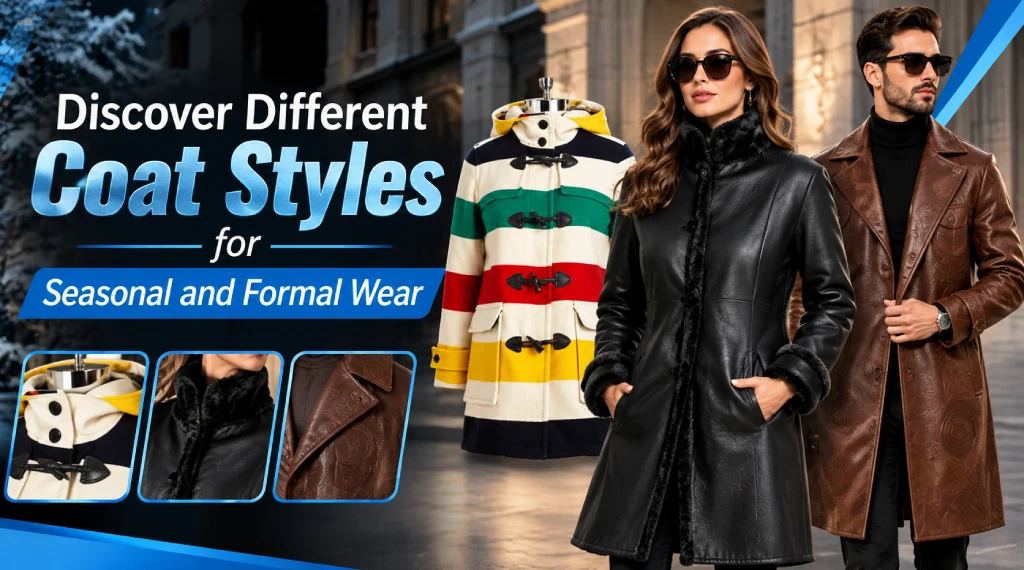
Coats cover more of your body, so the fit and length matter even more.
Black Coats That Go With Everything
Black works with casual and formal clothing, which is why people keep coming back to it. If you want to Get Now Black Coat Collection pieces that last, pick a simple cut in a dense fabric. Wear it over a sweater for work or over a hoodie on a day off.
Winter Coats for Cold, Long Days
The Classic Winter Men’s Coats Collection focuses on warmth first. Look for thick wool or insulated fabric, a longer body and a collar that closes around your neck. Wear it over a sweater and shirt, with boots and gloves for the coldest weeks.
Trench Coats That Suit Modern Men
Men’s Stylish Trench Coatswork best when the shoulders sit neatly, and the belt cinches the waist without pulling. Layer one over a shirt and tie, or over a knit and dark trousers. Leave the belt loose for a more relaxed look.
Lightweight Trench Coats for Mild Weather
Men’s Lightweight Trench Coats are made for spring and autumn, when heavy coats feel like too much. They block the breeze, handle light rain and fold into a bag easily. Wear one over a tee and jeans, or over a shirt and chinos.
Where to Find Versatile Outerwear for Your Wardrobe
NY American Jacket gathers many jacket and coat styles in one place, so you can compare cuts, fabrics and colors without jumping between tabs.
You can find pieces for casual days and formal plans, check materials and fits side by side, and pick items that match what you already own. Start with one or two versatile pieces, like a black coat or a leather jacket, and build from there. Browse the range and choose what suits your week.
Important Factors to Consider Before Buying a Jacket or Coat
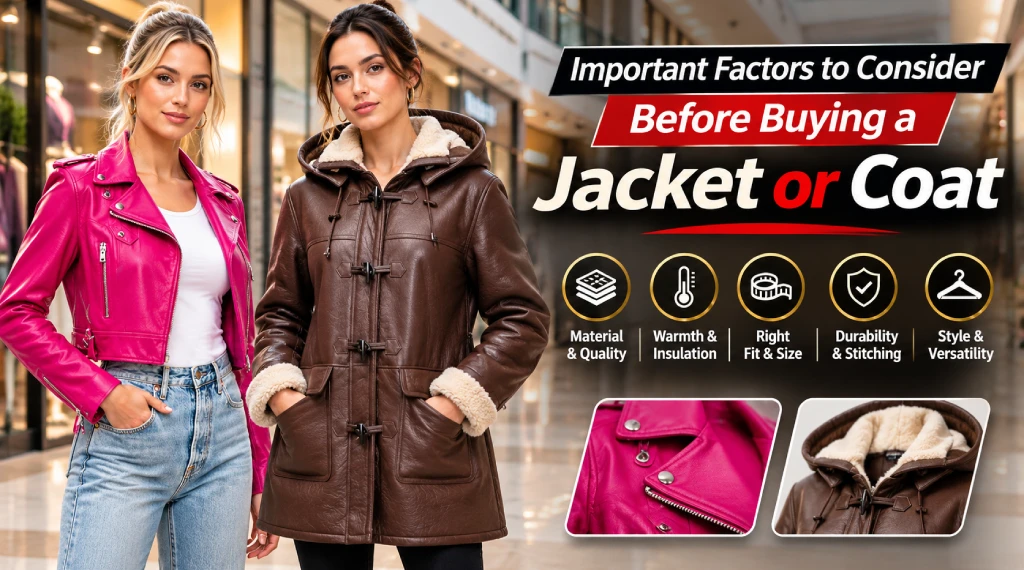
Spend two minutes on these checks before you pay. It is much cheaper than owning a jacket you never wear.
Choose the Right Material for Comfort and Durability
- Leather: Tough, stops the wind and looks better the longer you wear it.
- Cotton: Light, easy to wash and comfortable for long days.
- Wool: Warm and neat, and best for cold, dry weather.
- Blends: Usually cost less and are easier to look after. Touch the fabric first, because a thin or flimsy blend will lose its shape quickly.
Find a Comfortable Fit and Suitable Size
Start with the shoulders. The seam should sit right at the edge of your shoulder, not hang down your arm. Sleeves should end around your wrist bone, and there should be enough room for a sweater underneath. If you are ordering online, measure your chest and check it against the size chart instead of guessing.
Select the Right Length and Silhouette
- Cropped: Ends at the waist and looks good with high-waisted pants.
- Waist-length: Easy to wear every day with almost anything.
- Hip-length: Gives more coverage and suits most body types.
- Long: The best pick for formal outfits and very cold days.
Pick Colors That Complement Your Wardrobe
Black, grey, navy and brown go with most of what you own. A bold color like red or blue is great, but only if you already have a few pieces that match it.
How to Select Outerwear According to Different Seasons
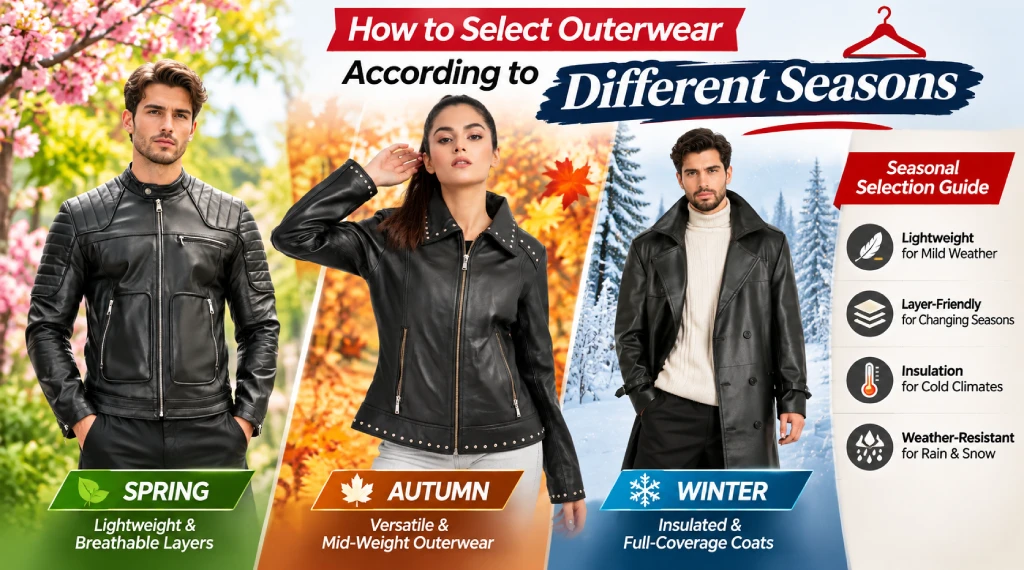
The weather changes, so your jacket should too.
Lightweight Jackets for Spring and Mild Weather
Go for breathable cotton or thin leather. Wear a tee or light shirt underneath so you can take the jacket off once the afternoon warms up.
Versatile Outerwear for Autumn
Autumn mornings are cool and afternoons are mild, so you need pieces that handle both. Bombers, trench coats and medium-weight wool coats do that well.
Warm Coats and Jackets for Winter
Pick a wool coat or an insulated jacket, and leave space for a sweater underneath. On the coldest days, add a scarf and gloves.
Practical Layers for Rainy Weather
Choose a water-resistant fabric and a coat that reaches past your hips. A hood or a high collar keeps rain off your neck.
Styling Tips to Create Different Looks With Jackets and Coats
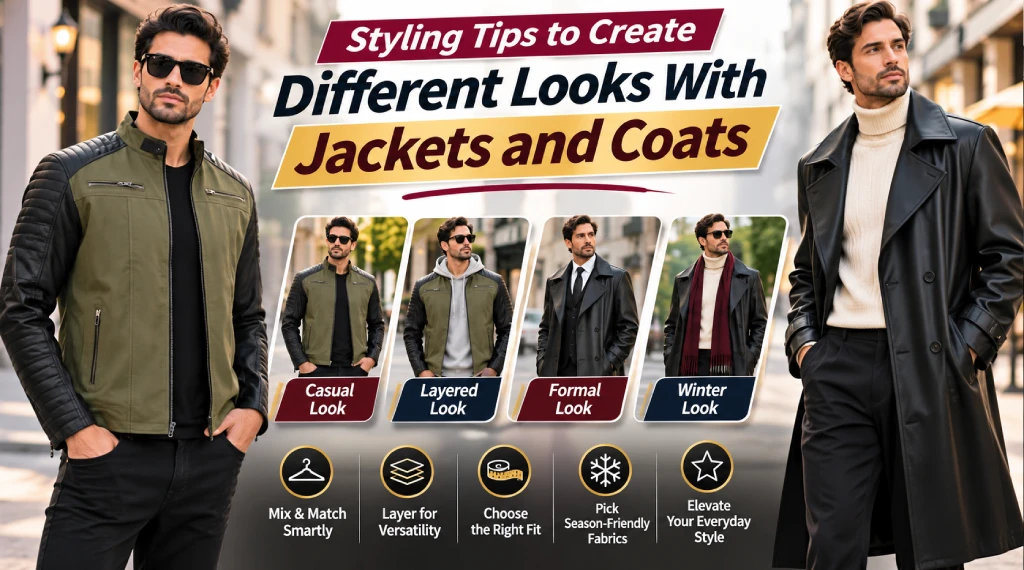
A few easy rules take the guesswork out of getting dressed:
- Jeans and casual pants: Wear them with a bomber, a leather jacket or a track top.
- Formal shirts and tailored pants: Add a long coat or a trench to finish the outfit.
- Shoes and accessories: Boots go well with coats and leather, and clean sneakers suit casual jackets. A watch, scarf or beanie is enough to complete it.
- Color balance: If the jacket is loud, keep the rest of the outfit quiet. If the jacket is plain, add a bit of color somewhere else.
- Layering: Wear a thin sweater or shirt underneath. Thick knits make the shoulders feel tight.
FAQ’s
Q1: How should you store jackets and coats when they are not in use?
A: Use wide, heavy hangers to prevent the shoulders from falling. Place them in a cotton or cloth garment bag, as plastic will trap moisture. Store in a cool, dry place and leave a little gap between the leather and the wool pieces so they can breathe and don’t crease.
Q2: Can the jacket sleeves be adjusted without changing the general design?
A: In most cases, yes. A tailor can shorten the sleeves on wool coats and cotton jackets without changing how they look. Leather and sleeves with detailed cuffs are trickier, so take those to someone who works with them often. Wear the sweater you plan to layer underneath when you go for the fitting.
Q3: How do you pack jackets and coats for long trips?
A: Fold a structured coat in half with the lining facing out, and roll softer jackets to save space. Push a few pairs of socks into the sleeves so they hold their shape. Put the heaviest piece on your body instead of in your bag. It saves room and keeps you warm on the plane.
Q4: How do you know if the stitching in a jacket or coat is good quality?
A: Run your eyes along the seams. They should be straight and even, with no loose threads. Small, tight stitches last longer than long, loose ones. Check that the lining is sewn neatly at the hem and cuffs, then tug a seam gently. It should not stretch or open up.
Q5: What should you check in a jacket’s zipper before purchasing it?
A: Zip it up and down a few times. It should glide without snagging, and the teeth should line up evenly. The pull tab should feel firm in your hand. Then zip it fully closed and tug the bottom slightly. If it stays shut, the zipper is a good one.