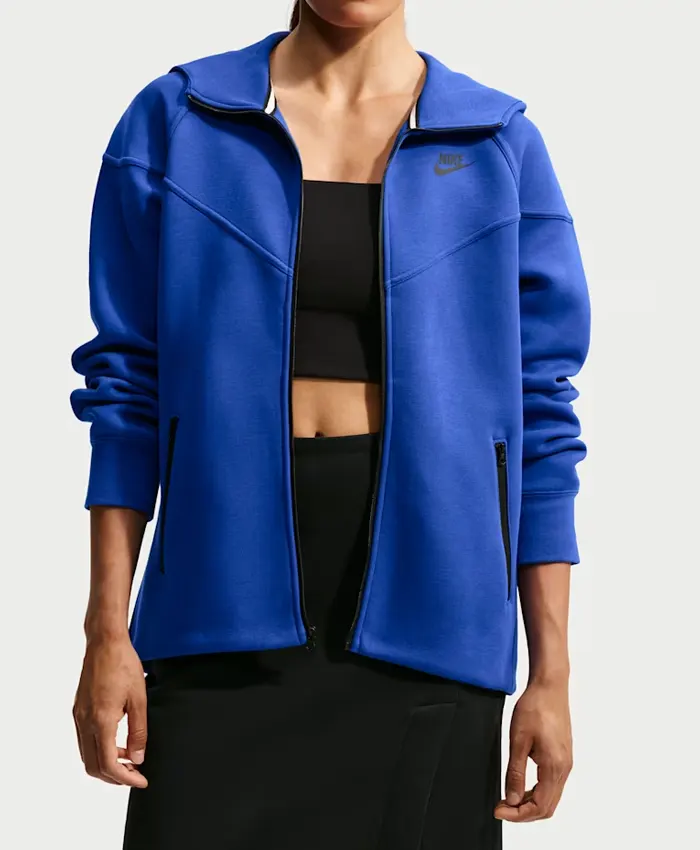
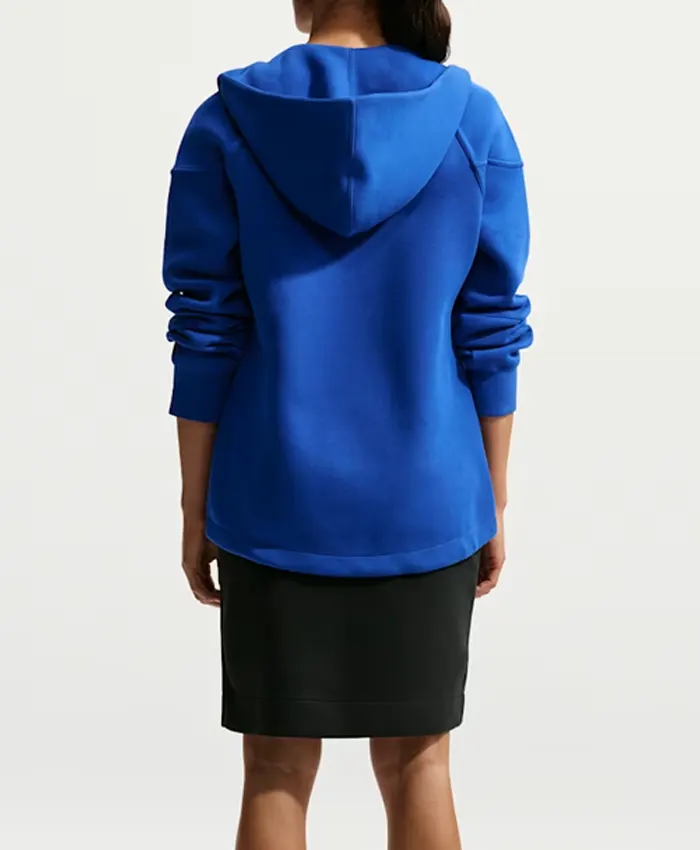
Women’s Nike Full-Zip Sportswear Tech Fleece Windrunner Hooded Track Jacket
Picture a stadium tunnel at dawn, cold concrete, breath fogging, a zipper pulled tight against the wind. That’s the mood this Nike Sportswear Tech Fleece Windrunner Jacket at NY American Jacket, was built for. Nike first sketched the Windrunner shape in 1978, when runners needed something light for tempo work but warm enough for a gusty track. Decades later, the brand grafted that silhouette onto Tech Fleece, the knit fabric it introduced in 2012 to replace bulky cotton hoodies with something closer to a second skin.
How It’s Built: Fleece, Fit, and Function?
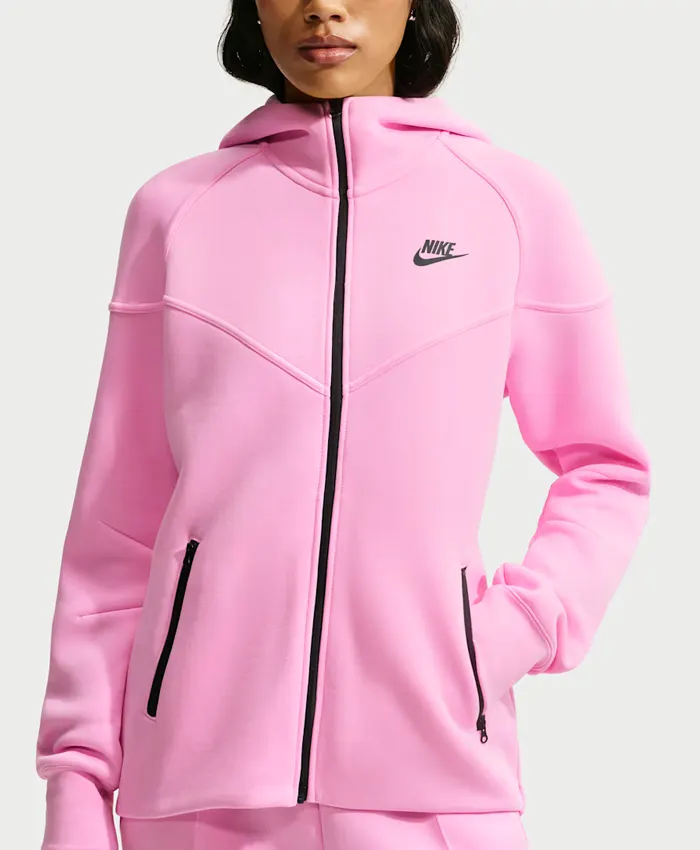
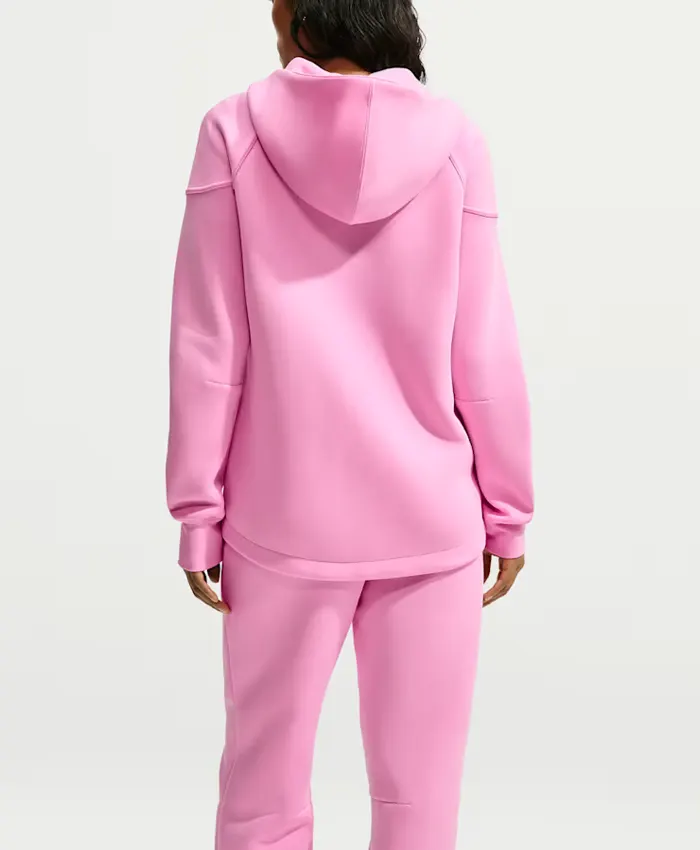
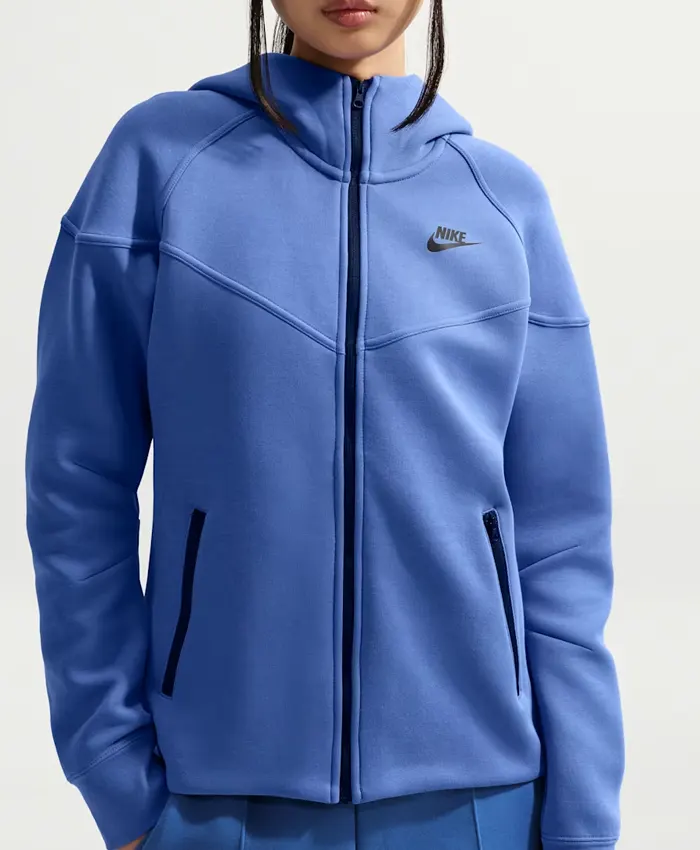
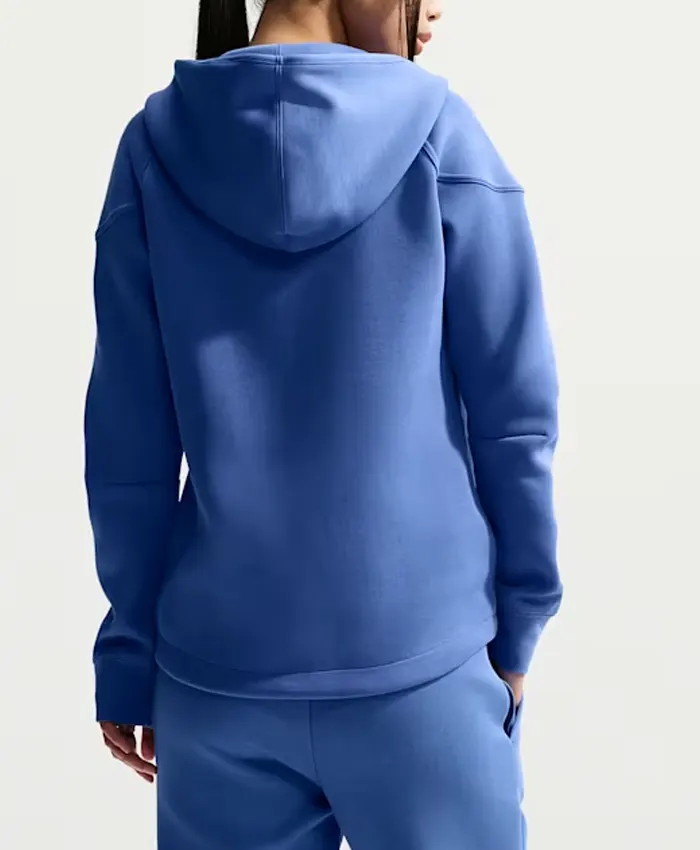
This Nike Sportswear Tech Windrunner Fleece Jacket from Track Jacket Collection keeps that lineage alive. The outer shell is soft, brushed fleece that holds its shape wash after wash. Inside, a viscose lining sits close to the body, trapping warmth without piling on weight. So instead of the stiff hoodies you grew up in, you get something that moves the way you do. Raglan sleeves curve into the shoulder for full range of motion. While the hooded collar cinches up when the wind picks up. Rib-knitted cuffs seal in heat at the wrist, and the YKK zipper glides shut in one pull. Two zippered pockets sit low on the hip for keys, a phone, or cold hands between reps.
Yet this isn’t gym gear anymore. Instead of staying on the track, the Windrunner walked into streetwear. It also pairs with joggers for a coffee run or layered under a coat at night. Because the cut reads as effortless, it pairs naturally with the matching track pants for a full look, or over jeans for contrast. Tottenham Hotspur Nike Tech Windrunner Jacket a lightweight, zip-up hoodie built with tri-layer fabric for warmth without bulk.
FAQ’s
Q1: How does the Windrunner build on Nike’s 1978 silhouette?
A: It keeps the original’s zip-front, hooded cut but swaps woven nylon for warmer, softer Tech Fleece knit.
Q2: How does tri-layer fabric hold in warmth without bulk?
A: Bonded fleece layers trap air close to the skin instead of stacking heavy fabric, so warmth doesn’t cost extra weight.
Q3: Why did the tracksuit move from performance wear to streetwear?
A: Its clean lines translated easily off the track, so people started wearing it daily instead of just training.





 Trusted & Protected Checkout
Reviews
There are no reviews yet.