
Leather Crafting Process
At NY American Jacket, leather crafting is more than manufacturing. It is a detailed process that combines material selection, technical preparation, skilled workmanship, and quality control to create products designed for durability, comfort, and long-term wear.
Every leather product goes through a structured workflow. From the moment the material is selected to the final finishing stage, each step is handled with care to maintain consistency, functionality, and a refined appearance. Our leather crafting process is based on precision, responsible production flow, and close attention to the small details that shape the final result.
This page explains how leather products are developed through a step-by-step process, helping customers better understand the work involved in producing each piece.
1. Material Selection
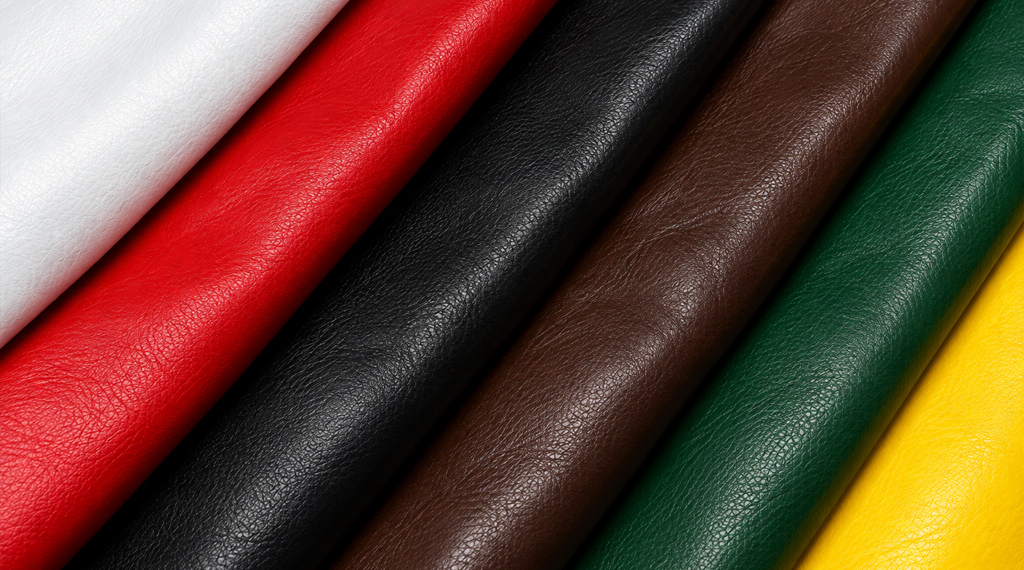
The leather crafting process begins with selecting suitable materials for production. The quality of the final product depends heavily on the quality of the material used at the start.
Leather is chosen based on several important factors, including:
- Surface consistency
- Strength and durability
- Texture and flexibility
- Suitability for the intended design
- Overall finish and appearance
Depending on the product style, additional materials may also be selected for lining, trims, closures, and structural support. Every material is reviewed before entering production so that the crafting process begins with a reliable foundation.
Careful material selection helps ensure that the finished product performs well during regular use and maintains its structure over time.
2. Leather Preparation
Before cutting and construction begin, the leather is prepared for the next stages of production. Preparation is important because leather is a natural material and requires proper handling to achieve accurate shaping and assembly.
This stage may include:
- Surface inspection
- Cleaning and conditioning
- Sorting by texture or finish
- Thickness and usability checks
- Panel planning based on design needs
Leather preparation allows the material to be organized efficiently for cutting and helps reduce inconsistencies during later stages of crafting. Proper preparation also supports better panel matching and smoother assembly.
3. Design Planning and Pattern Development
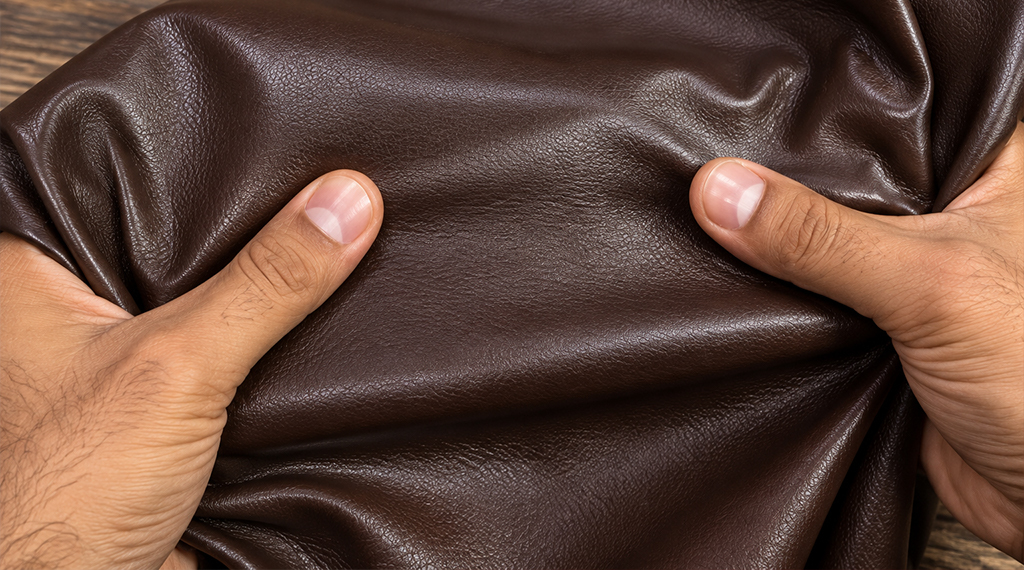
Every product begins with a design structure that defines how the final piece will look and function. Pattern development is one of the most important steps in leather crafting because it creates the blueprint for the product.
This stage includes:
- Defining the shape and structure of the item
- Creating pattern pieces for each section
- Planning seams, edges, and panel placement
- Determining pocket, closure, and lining positions
- Reviewing balance, fit, and proportion
A properly developed pattern helps ensure that all sections come together accurately during assembly. It also supports consistency across production and reduces errors during cutting and stitching.
4. Precision Cutting
Once the pattern is finalized, the leather is cut into individual components. Cutting must be done carefully because precision at this stage affects alignment, symmetry, and the overall construction quality of the finished product.
During cutting, attention is given to:
- Pattern accuracy
- Material direction and texture
- Edge cleanliness
- Panel matching
- Consistent sizing
Well-executed cutting helps maintain uniformity and reduces waste. It also ensures that each piece is ready for stitching and assembly without unnecessary correction later in the process.
5. Panel Matching and Layout Control
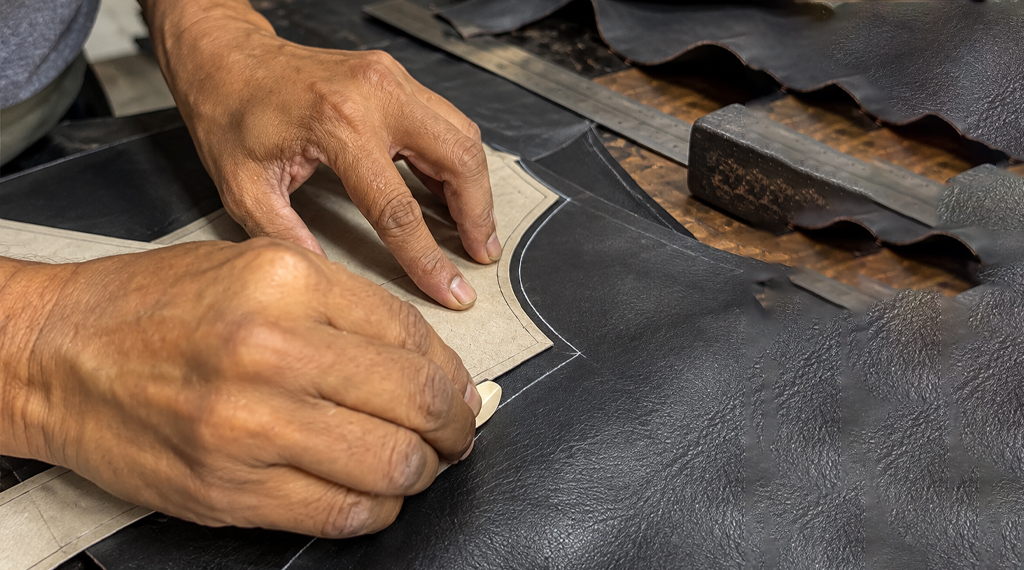
Before stitching begins, the cut pieces are reviewed and organized according to the structure of the product. Leather panels are matched to maintain a balanced and consistent appearance.
This process may involve:
- Comparing texture and finish between panels
- Confirming correct placement of visible sections
- Arranging pieces according to assembly order
- Checking symmetry between left and right sections
- Reviewing overall visual consistency
Panel matching is especially important in leather products because natural variation can occur from one section to another. Careful layout control helps create a more refined and professional final appearance.
6. Stitching and Construction
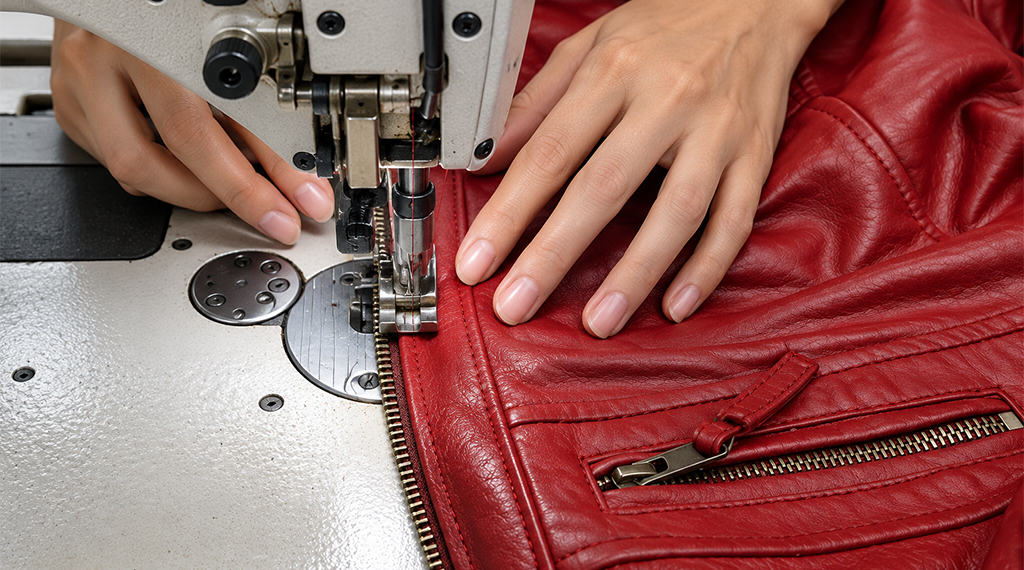
Stitching is where the individual leather components begin to take final shape. This stage transforms flat panels into a structured product through careful joining, reinforcement, and assembly.
The construction process may include:
- Joining main body panels
- Adding sleeves, collars, cuffs, or other structural parts
- Reinforcing seams for strength
- Attaching internal support components
- Building the product in a controlled sequence
Strong stitching contributes to durability, while clean seam work improves both function and appearance. Skilled construction is essential for ensuring that the product maintains its shape and performs well over time.
7. Lining and Inner Structure
Once the outer shell is assembled, inner components are added to improve comfort, usability, and structural stability. Depending on the design, the inner construction may include lining, inner panels, or additional support elements.
This stage can involve:
- Attaching internal lining
- Securing inner seams
- Adjusting comfort-related details
- Ensuring smooth internal finishing
- Confirming proper fit between outer and inner layers
A well-finished interior contributes to a better wearing experience and helps improve the overall quality of the product.
8. Hardware and Functional Detailing
After the main structure is completed, functional details are installed. These details are important because they affect both appearance and usability.
This stage may include the addition of:
- Zippers
- Buttons
- Snaps
- Buckles
- Belts or adjustable elements
- Decorative or functional trims
Each component is fitted carefully to ensure secure placement and proper function. Accurate hardware installation supports the product’s performance and adds to its finished look.
9. Edge Finishing and Surface Refinement
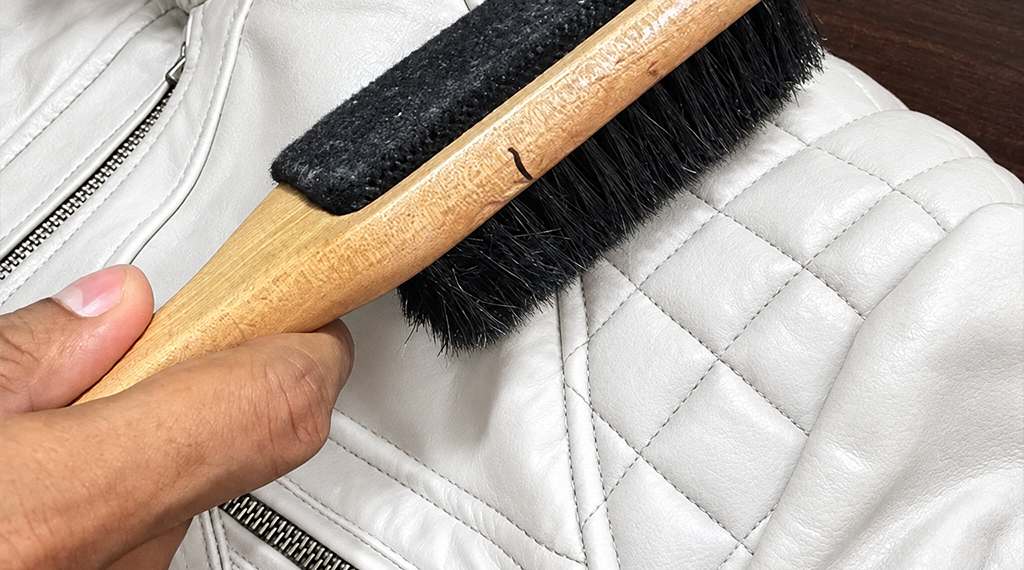
Leather crafting is not complete after assembly alone. Finishing work is needed to refine the product and improve its overall presentation.
This stage may include:
- Smoothing visible edges
- Refining seam appearance
- Surface cleaning
- Conditioning and polishing
- Shape adjustment and presentation review
Finishing helps improve the final feel and visual appeal of the product. It also prepares the item for inspection and packing.
10. Quality Control and Final Inspection
Before a product is approved for dispatch, it goes through a final inspection process. Quality control is an essential part of leather crafting because it ensures the product meets internal standards before reaching the customer.
The final review may include checks for:
- Stitching consistency
- Structural accuracy
- Surface condition
- Hardware function
- Size and alignment
- Overall finishing quality
Products that do not meet the required standard are reviewed and corrected where possible before final approval. This process helps maintain consistency and supports customer confidence.
11. Packaging and Dispatch Preparation
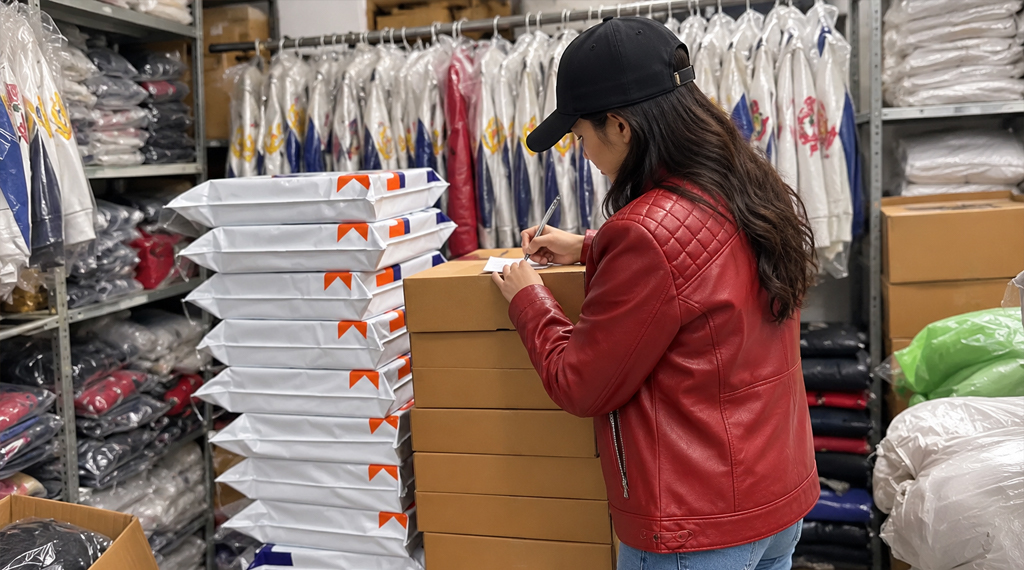
After passing inspection, the product is prepared for packaging and shipment. Proper packaging helps protect the item during handling and transit.
This step may include:
- Final cleaning and presentation check
- Folding or packing according to product type
- Protective wrapping
- Shipment preparation
- Order processing and dispatch coordination
The goal is to ensure that the product reaches the customer in secure and presentable condition.
Our Approach to Leather Craftsmanship
Our leather crafting process is guided by a simple principle: every product should be developed through a clear, controlled, and detail-focused workflow. We value careful handling of materials, accurate production methods, and reliable finishing standards.
By following a step-by-step leather crafting process, we aim to maintain:
- Consistent quality
- Better product durability
- Clean construction
- Functional design
- Reliable customer experience
This structured approach supports both product quality and transparency, helping customers understand the work that goes into each item.
Website Name: NY American Jacket
Business Number: 80 636 845 200
Email: support@nyamericanjacket.com
Contact No: +61416553473
WhatsApp Number: +61416553473
Address: Auburn Central 4520/57-59 Queen Street Auburn NSW 2144 Australia
Business Hours: Mon–Fri, 9am–6pm AEST